
Solar energy and biodiversity measured in the same field
Biodiversity and air quality monitoring at the Carlentini photovoltaic plant in Sicily: Hive-Tech beehives, PollyX sensors and satellite mapping to integrate renewable production and ecosystem protection.
monitored
installed
installed
Brown-field photovoltaic: covered soil, ecosystems under pressure
A brown-field photovoltaic plant covers the soil with panels, eliminates pre-existing vegetation and alters the local microclimate, reducing habitat availability for pollinators and wildlife. Energy production depends on soil stability, the site's climate resilience and air quality, ecosystem services that without monitoring remain invisible.
Data for ESG reporting and renewable portfolio management
Cubico Sustainable Investments manages an international portfolio of renewable plants and needed scientific data on the ecological impact of the Carlentini photovoltaic plant to support ESG reporting.
A comparable baseline over time was needed to demonstrate the environmental compatibility of the site and build a replicable assessment model for other plants in the portfolio.
Brown-field assessment recognized as best practice by Solar Power Europe
XNatura monitored the Carlentini brown-field photovoltaic plant with biomonitoring, IoT sensors and satellite analysis to quantify impact and environmental quality of the site.


From satellite to the panels of Carlentini
A project integrating remote sensing, biomonitoring with Hive-Tech beehives and PollyX sensors to build the first continuous picture of the photovoltaic plant's impact on local biodiversity.
Ecological assessment of the plant and control area
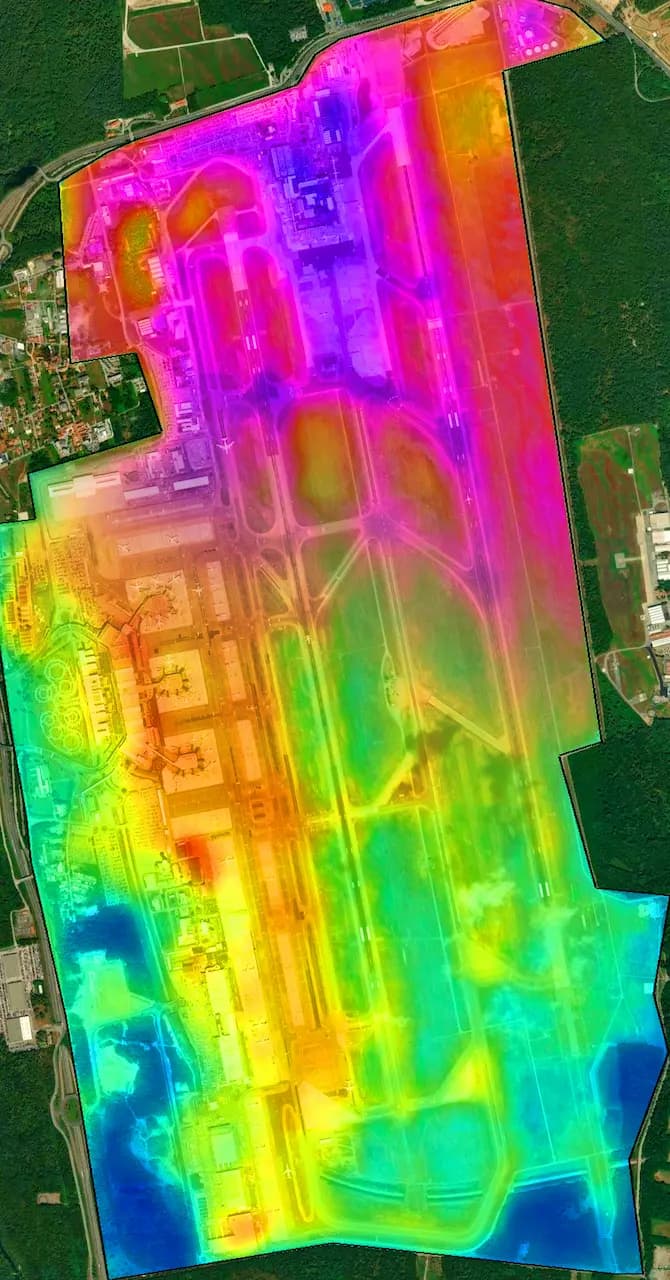
Satellite analysis mapped the 5.2 hectares of the photovoltaic plant and a control area, producing the baseline for biodiversity indices including MSA, nectar potential, land cover and environmental risks. The results quantified the impact of photovoltaic land use and guided sensor placement in the field.
Two beehives as biomonitoring stations
The 2 beehives equipped with Hive-Tech technology were positioned in the plant area, transforming the colonies into biomonitoring stations capable of continuously detecting weight, temperature, humidity and sound intensity. The bees, foraging within a radius of several kilometres, provide information about environmental health well beyond the plant's perimeter.
Five sensors for air quality
The 5 PollyX sensors were distributed across the plant to create an air quality monitoring network: PM2.5, PM10, particulate concentration and size, temperature and humidity. The data, transmitted to the XNatura platform, allow correlating environmental conditions with colony status and building an environmental profile of the area across seasons.
From data to energy-ecosystem coexistence
The data flow into the XNatura Environmental Platform, where Cubico monitors the evolution of ecological and environmental conditions at the plant over time. The goal is to build a replicable model for other sites in the portfolio, demonstrating that renewable energy production can integrate with local biodiversity protection based on scientific evidence.
Data from the Carlentini plant
site-control
maximum annual PM10
PM10 in the calendar year
directly (estimate)
The site-control comparison shows a delta of –57.90 on the MSA Land Use index: the plant records an MSA of 22.6 versus 80.5 for the control area. The data quantifies the impact of photovoltaic soil conversion and provides Cubico with the baseline for ESG reporting.
The 5 PollyX sensors detected a maximum peak of 9.1 µg/m³ of PM10 and only 11 days above the regulatory threshold in the calendar year, confirming no critical issues with air quality. The 2 Hive-Tech units monitored approximately 120,000 bees (estimate), documenting the seasonal dynamics of the colonies as bioindicators.
Monitoring in action
Key sections of the XNatura Environmental Platform dedicated to Cubico's photovoltaic plant in Carlentini.
Biodiversity status
MSA indices, land cover, Natural Patches, floral availability and nectar potential of the plant and control area.
Air quality
PM2.5, PM10, particulate concentration and size detected by the 5 PollyX sensors distributed across the plant.
Aridity risk
Aridity indices, vegetation water stress and impact of prolonged drought periods on the plant area ecosystem.
Hydrogeological risk
Flood risk and hydrogeological analysis of the plant area for mitigation intervention planning.


Access the XNatura Environmental Platform
The platform through which Cubico Sustainable Investments monitors biodiversity and air quality at the Carlentini photovoltaic plant.

Do you want to monitor the biodiversity of your plant?
XNatura supports energy operators, investors and asset managers in monitoring biodiversity and environmental quality at renewable sites, with IoT sensors, biomonitoring, satellite mapping and validated scientific protocols, producing data that can be integrated into ESG and reporting frameworks.
 Contact us for information about the platform or for specialized consulting in the environmental field.